


Your Maintenance Schedule Is a Calendar. Your Machinery Doesn't Keep One.
Read More
Improving Deck and Ballast Tank Maintenance with Digitalisation and AI

By : Pratul Joshi | February - 2026
Deck assemblies and ballast tanks are at the frontline of a ship’s operating environment. Exposure to seawater, heavy cargo operations, and repeated ballast cycles make these areas among the most maintenance-intensive on board. Despite their critical role in vessel structural integrity and safety, the maintenance of these spaces has remained largely traditional. It is based on periodic inspections, manual condition reporting, and survey-driven interventions.
Maintenance issues around the deck and tanks are addressed as they become visible, accessible, or formally due for overhaul, but by then, some degradation may already be serious. With larger fleets, shorter port stays, and more demanding port regimes, this approach tests the limits of crew endurance, technical resources, and cost control. Understandably, the industry is realising the need for solutions that provide earlier awareness of the condition of these vessel areas and enable more precise action.
The Traditional Maintenance Model: Built on Access, Intervals, and Experience
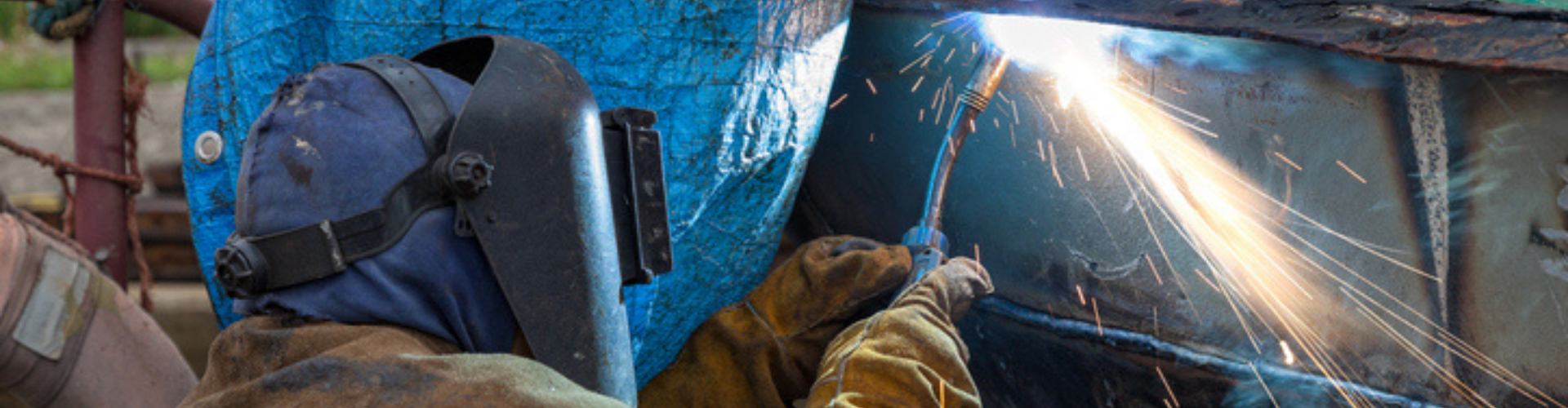
The maintenance of deck structures and ballast tanks has been relying on a familiar rhythm: scheduled inspections, class surveys, manual measurements, visual checks, and corrective servicing planned around dry dock or strict permit-to-work controls. Crews enter confined spaces within tanks, erect temporary scaffolding, and act on the judgment of experienced personnel who assess conditions through brief inspection windows.
Between those moments, most parts of the vessel remain unseen. Mud deposit, rust progression, coating degradation, water ingress patterns, and structural fatigue develop unnoticeably until the next access opportunity.
While experience and snapshots help guide decisions, continuous evidence is often overlooked. Coordination among deck crews, technical teams, and shore staff relies on reports, photographs, and interpretation following an incident.
This old model kept ships trading safely for years. But it is labour-intensive, safety-sensitive, and misaligned with expectations for vessel availability, documentation quality, and maintenance foresight.
Digital Foundations Linking Observation with Action
Before AI algorithms and automation enter the picture, digitalisation sets the pace for a significant move: it connects what happens on board with how maintenance decisions are taken ashore. The information on ballast operations, defect reports, required coating touch-ups, and environmental exposure of critical components is not scattered across logbooks, spreadsheets, emails, and memory. It gets stored in a common repository, with time, context, and vessel conditions attached.
Information flow improves with digital systems. Instead of retrospective summaries, shore teams get timely access to condition evidence. Reporting delays are fewer, crew handovers are clearer, and a vessel's maintenance history travels with it. Isolated observations for maintenance are supplemented by real-time patterns that emerge across voyages, routes, and ballast cycles. The combination ensures that what is observed is retained, connected, and available for scheduling access, performing repairs, and prioritising risk control.
How Data and AI Improve Maintenance Sequencing
With consistent digital records in place, AI enables maintenance teams to make better use of what they already observe. Smart Ship© Hub’s camera AI-based analytics for deck flag surface anomalies, early coating degradation patterns, and other changes that develop slowly across voyages. Checked frequently, these signals provide context that one-off visual judgements often cannot.
AI-supported remote monitoring systems also provide shore technical teams with real-time condition updates, enabling earlier assessment and informed collaboration with shipboard staff. Condition health monitoring and visual inputs from AI cameras can be interpreted alongside ballast cycles, weather exposure, vibration, and operational stress.
The combined view supports clearer maintenance prioritisation. Areas with rapid wear or repeated exposure to harsh weather are serviced earlier, and lower-risk zones can be scheduled more efficiently for detailed repairs. Planning becomes more structured, resources are applied with greater focus, and maintenance decisions remain grounded in established patterns.
Ballast Tanks: Why the Conversation Is Shifting
Ballast tanks are among the most demanding spaces to check and maintain. They are narrow to enter, physically demanding to clean, and subject to strict safety and class requirements. Access planning, gas testing, and time all place pressure on crews and schedules.
Digital tools are now influencing how this work is managed. Condition records, historical defect logs, coating observations, and exposure patterns together provide context before anyone enters the tanks. Deck teams can inspect the space with clearer expectations of what they are likely to encounter, rather than starting from a blank slate each time.
As a company specialising in marine tech, DNV has developed palm-sized drone cameras that help in the detailed inspection of ballast and cargo tanks. Drone-assisted surveys are also used to assess the structure of and coating inside cargo holds, jack-up legs, and components of maritime and offshore installations.
Image - Drone camera for tank inspection, Credit - DNV
AI and remote monitoring have further upgraded planning and documentation. By leveraging them, seafarers can track deterioration trends, identify recurring problem areas, and support clearer reporting to shore teams and surveyors. Physical inspection remains critical, but better preparation shortens inspection cycles and enhances confidence in surveys.
In the near future, the industry will leverage more autonomous approaches. In addition to reliable technology, the progress in this space will depend on governance and safety assurance.
Operational Impact for Crews, Technical Teams, and Management
Maintenance activities account for as much as 25-35% of a ship operator's direct operating expenditure and have remained at this level for many years. Now that maintenance models can change from periodic inspection to continuous visibility, the reduced financial burden as well as the positive impact on quality and safety are felt beyond the engine room and deck.
Digitalisation and AI-supported monitoring reshape how risk, resources, and accountability are managed across the organisation.
For crews on board
- Fewer repeat inspections because condition evidence is captured once and reused across reporting cycles
- Better work prioritisation guided by observed trends rather than informal handovers or memory
- More focused inspection planning for reduced exposure time in hazardous spaces
- Fewer repeat inspections because condition evidence is captured once and reused across reporting cycles
- Better work prioritisation guided by observed trends rather than informal handovers or memory
- More focused inspection planning for reduced exposure time in hazardous spaces
For technical and shore teams
- Earlier knowledge of deterioration patterns through camera AI enables intervention before damage worsens
- Remote review of images and condition data reduces risky and tiring physical attendance-driven inspections
- Deck and tank upkeep decisions are shaped by continuous trend deviation, not one-off inspection snapshots
For management
- Maintenance spend aligns more closely with actual risk, reducing unplanned repair costs
- Fewer survey surprises support schedule reliability and cost predictability
- Consistent data enhances accountability across fleets and operating partners
- A single view of condition data aligns crews, technical teams, and management around a shared operational reality, improving predictive maintenance outcomes.
Smarter, Safer Maintenance Without Overreach
As deck structures and ballast tanks age and industry trading patterns become more demanding, ship companies must manage vessel wear with greater foresight. Digitalisation and AI are reinventing how maintenance knowledge is captured, shared, and acted upon. They connect shipboard observations with technical oversight and management decisions.
Continuous condition awareness makes maintenance planning clearer and more confident. Well-timed inspections are supported by evidence, marking progress toward safer operations, improved compliance, and more resilient fleet management.
Trending Blogs
Featured
Your Maintenance Schedule Is a Calendar. Your Machinery Doesn't Keep One.
Featured
The First FuelEU Bill Is Landing. Most Owners Won't Know the Number Until It's Too Late.
Featured
Lloyd's Has Started Underwriting on Live Vessel Data. What Happens to Everyone Still on Survey Cycles?

Featured
Autonomous Ships Need More Than AI: Why Maritime Cybersecurity Matters


Digital platform with actionable insights for optimizing performance, augmenting your sustainability & growth goals.