

Your Maintenance Schedule Is a Calendar. Your Machinery Doesn't Keep One.
Read More
Maritime Compliance in 2026: Regulatory Expectations Every Ship Operator Must Be Ready For

By : Gandesh Govekar | February - 2026
In the maritime sector, regulatory changes are not sudden surprises. They come through a series of circulars, class notes, and amendments that steadily reshape how vessels are built, maintained, and operated. Amid these trends, companies must remain prepared for a cluster of new rules that may come into force across an industry. The latest phase of regulatory oversight affecting our lives at sea began on 1st January 2026.
From this year, ship operators must comply with standards that impose stricter safety requirements on anchor handling winches and onboard lifting appliances. The reforms also cover mandatory reporting of containers lost at sea and enhanced navigation abilities expected under the Polar Code. All of this requires more accountability in their work.
The latest guidelines being implemented will impact maintenance planning, survey readiness, reporting discipline, and operational risk. For owners and operators, the priority is to keep their vessels and onboard equipment prepared to meet new compliance standards without disrupting day-to-day operations.
Anchor Handling and Lifting Appliances: Safety Moves Centre Stage
An important amendment to the regulatory framework, effective from 1 January 2026, addresses the safety and maintenance of anchor handling winches and lifting appliances aboard ships. Under SOLAS Regulation II-1/3-13, adopted by the IMO, both new and existing equipment must meet harmonised standards for design, construction, installation, regular testing, and thorough examination to improve onboard safety.
The updated rules apply to lifting gear, including cargo cranes, deck & engine-room cranes, and hose-handling cranes. It also covers anchor-handling winches, tugs, and related loose gear, particularly on offshore service vessels. Existing non-certified units must be thoroughly tested no later than the first renewal survey on or after 1 January 2026, and new installations must comply from delivery.
Ship operators have to move beyond traditional periodic checks to a documented regime of planned testing, load verifications, and certified inspections. Class and flag surveys will verify compliance, and operators will need to ensure that test records, safe working load markings, manuals, and maintenance histories are always available during inspections.
Failure to prepare for the latest wave of safety reforms will result in costly delays and potentially restrict equipment use. Early groundwork reduces disruption when survey windows open in 2026.
Container Loss at Sea: Mandatory Reporting Obligation
The World Shipping Council released its 2025 Containers Lost at Sea report, revealing that 576 containers were lost overboard in 2024 – this was a sharp rise from the number that stood at 221 in 2023.
Beyond causing losses for shippers, lost containers harm the environment, polluting habitats and endangering marine life through toxic cargo. They can become navigation hazards for other ships and disrupt supply chains. Lost ships also have direct implications for insurance exposure and Port State Control (PSC) scrutiny.
To maintain a verified record of lost containers and reduce the number, IMO has made the reporting of container losses mandatory from 1 January 2026. Masters will have to promptly report the loss of a container, including the number of units lost, their location, and whether and how they threaten navigation or the marine environment. The reporting threshold is even tighter where dangerous goods are involved.
For bridge teams, this evolution of governance increases the importance of accurate incident logging, time-stamped position data, and structured reporting workflows. Reporting now sits squarely within the vessel’s safety management responsibilities, linking bridge procedures, cargo monitoring, and shore-side coordination in real-time.
Polar Code Updates: Higher Expectations for Navigation & Planning
With their ice caps melting, the polar waters of the Arctic and Antarctic Seas now witness more maritime traffic. Cargo-laden ships can be seen traversing the once pristine environment of the region. This is why, beginning January 2026, we also have amendments to the Polar Code – focusing on the safety of navigation, these raise the bar for vessels operating in or transiting near polar waters. Although the scope has not been radically rewritten, the expectations on how well ships plan, prepare, and document their operations have become more explicit.
Ship operators will need to maintain stricter voyage-planning discipline, provide more unmistakable evidence of their ice and weather risk assessments, and ensure stronger alignment between the Polar Water Operational Manual (PWOM) and actual onboard practices.
Equipment readiness—especially for propulsion, steering and critical auxiliaries—will now be under higher scrutiny. Equally important is the availability of reliable operational data that can support decision-making in remote, high-consequence environments.
The intent of regulators is clear: polar navigation is no longer evaluated merely on a vessel’s design and certification. IMO needs evidence of continuous preparedness, situational awareness, and data-backed planning that go beyond procedural compliance to reflect real operating conditions.
Turning New Regulations into Operational Reality of Fleets
Taken together, evolving regulatory requirements are redefining how compliance is experienced on board. Expectations are firmly embedded in day-to-day operations, shaping how ships are maintained and presented at any given time.
For ship systems to operate flawlessly in line with new safety and environmental protection requirements, their maintenance planning must focus on equipment behaviour rather than dates on a schedule. Patterns in performance, early signs of degradation, and operational anomalies must be continuously examined and addressed before a surveyor boards for audits. Inspection readiness becomes a part of routine watchkeeping and maintenance culture where records, system condition, and corrective actions remain current and are not assembled under pressure.
Documentation demands are also more intense now. Reporting on incidents, equipment performance, and environmental exposure must be accurate, disciplined, and traceable over time. This increases the responsibility of bridge teams and engine room crews, as quick entries made during a busy watch or omissions in logbooks can later carry regulatory, financial, or reputational consequences.
In practice, ship operators are being judged on how efficiently they maintain consistent awareness of their ships—using reliable data to demonstrate control, foresight, and accountability for every voyage.
Continuous Visibility for Continuous Compliance on the Sea
The new challenge for shipowners and operators is to maintain compliance and enhance safety across all aspects of their routine operations. Smart Ship© Hub’s digital, high-frequency data (HFD) monitoring platform provides the visibility they need to meet these requirements. It continuously links what occurs on board, minute by minute, to what regulators and auditors expect to see later.
HFD data powering condition intelligence provides insights into equipment behaviour, emissions performance, and system health, enabling potential non-conformities to be corrected before they cause issues. It ensures that maintenance decisions are informed by how the equipment actually performs. By giving crews and shore teams a shared, reliable view of equipment health, performance trends, and compliance readiness, it turns regulatory intent into day-to-day control.
As the new rules taking effect in January 2026 increase oversight for safety and environmental protection, the ability to demonstrate continuous control in real time with contextualised data will matter more than periodic reporting. That’s where SSH’s digital visibility solutions build a foundation for secure, compliant operations across vessels, fleets, and voyages. Write to our team at contact@smartshiphub.com to know more about our HFD condition monitoring platform’s features to keep your journeys safe and sustainable.
Trending Blogs
Featured
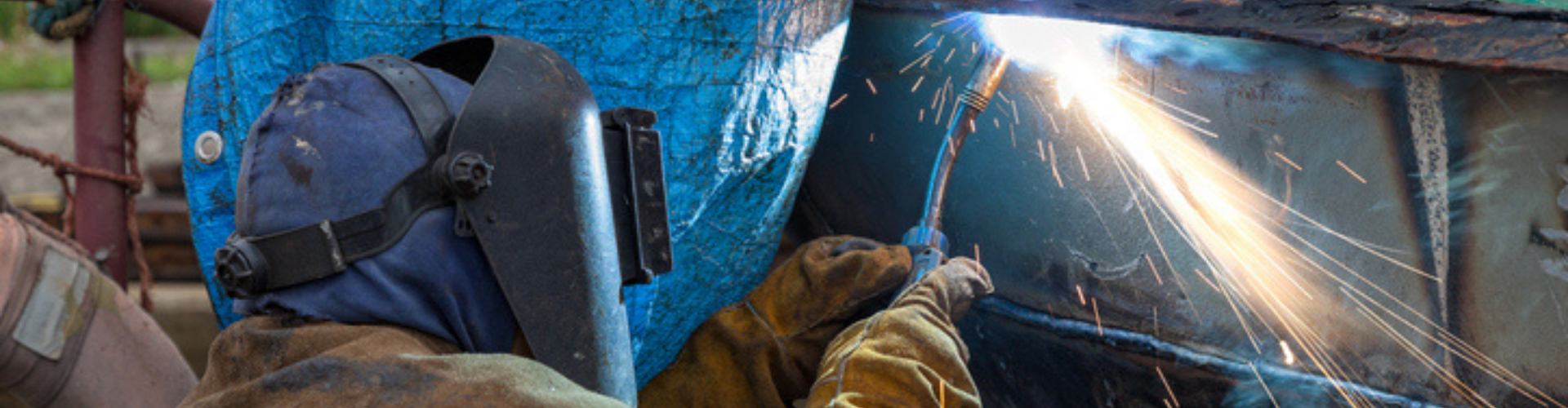
Your Maintenance Schedule Is a Calendar. Your Machinery Doesn't Keep One.
Featured
The First FuelEU Bill Is Landing. Most Owners Won't Know the Number Until It's Too Late.
Featured
Lloyd's Has Started Underwriting on Live Vessel Data. What Happens to Everyone Still on Survey Cycles?

Featured
Autonomous Ships Need More Than AI: Why Maritime Cybersecurity Matters


Digital platform with actionable insights for optimizing performance, augmenting your sustainability & growth goals.